
I bought my copy of Rich Dad Poor Dad from a dusty secondhand bookstall because it was cheap and the cover looked interesting. That’s it. No grand plan, no “I’m about to fix my finances” moment. I was 24, broke-ish, and mostly buying it to look smart on my commute.
Three chapters in, I put the book down and just sat there for a minute. Not because it was shocking exactly, but because it put words to a feeling I’d had for years and never known how to explain — that being “good at your job” and being “good with money” are two completely different skills, and nobody had ever taught me the second one.
If you’ve heard people rave about this book (or roll their eyes at it), I get both reactions. It’s not a perfect book. Some of the story details about Kiyosaki’s two “dads” are questionable, and it’s light on hard numbers. But the core ideas genuinely rewired how I handle money, and I want to walk you through what actually happened when I put them into practice — mistakes included.
What Rich Dad Poor Dad Is Actually About
For anyone who hasn’t read it, Rich Dad Poor Dad isn’t a step-by-step investing manual. It’s more of a mindset book told through a story about two father figures — Kiyosaki’s own dad (highly educated, always broke) and his best friend’s dad (a businessman with less schooling but a lot more money).
The whole book circles around one idea: rich people buy assets, poor and middle-class people buy liabilities and call them assets. A “nice house” with a mortgage isn’t an asset if it’s taking money out of your pocket every month. A rental property that pays you rent every month? That’s an asset.
Simple sounding, right? It didn’t feel simple when I actually tried applying it to my own life.
Lesson 1: Your House Might Not Be the Flex You Think It Is
This one made me genuinely angry the first time I read it, because I’d grown up believing “buying a house” was basically the finish line of adulting.
Kiyosaki’s argument is that your primary home eats money — mortgage, tax, maintenance, insurance — without putting a single rupee or dollar back in your pocket. It’s not wrong. It’s just uncomfortable to hear if you’ve been raised to see homeownership as the ultimate goal.
I didn’t sell my place or anything dramatic. But it changed how I thought about my next big purchase. Instead of stretching for a bigger apartment, I put that extra money into a small index fund portfolio through an app instead. Two years later, that decision mattered more to my net worth than any home upgrade would have.
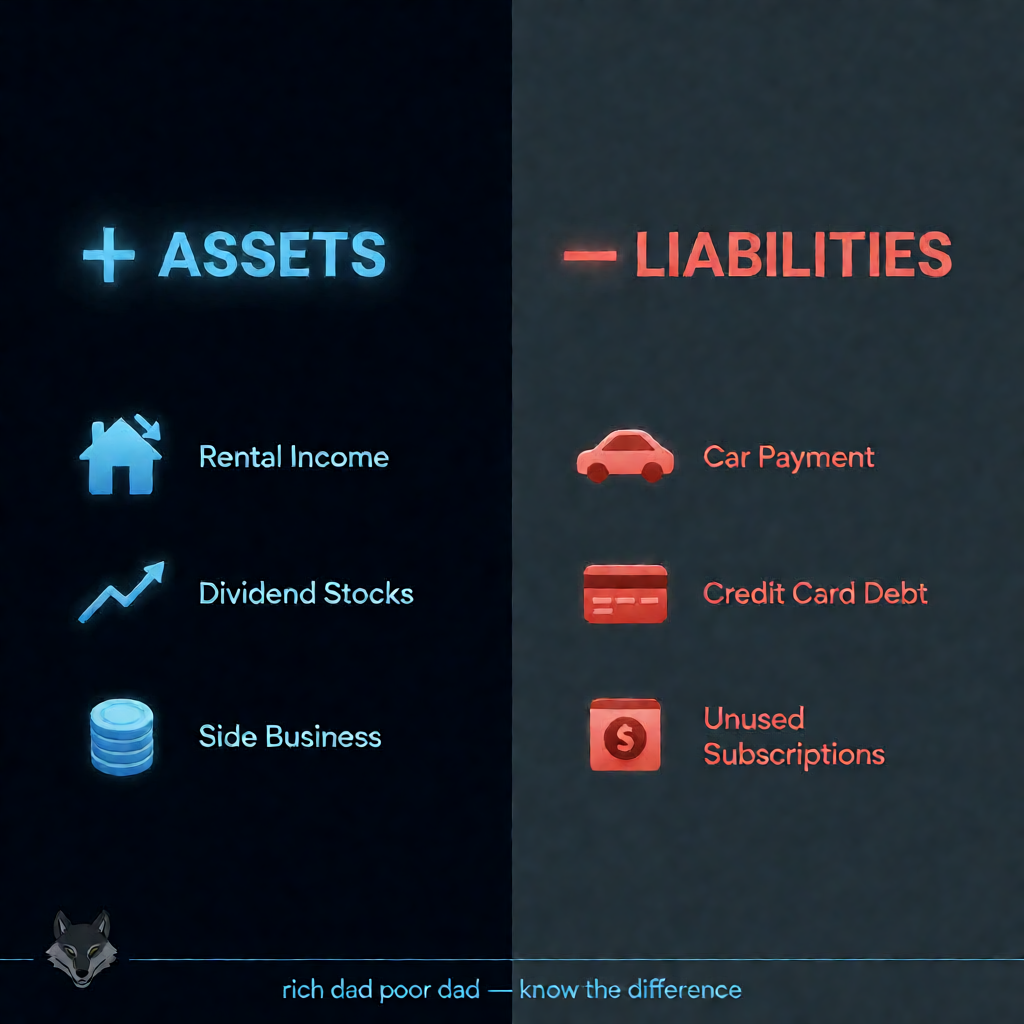
Lesson 2: Assets Feed You, Liabilities Feed Off You
This is the one sentence from the whole book that I still repeat to friends: an asset puts money in your pocket, a liability takes it out.
Your car? Liability, unless you’re driving for Uber or delivery gigs with it. Your streaming subscriptions? Liabilities. That online course you bought and never finished? Liability with extra guilt attached.
I actually sat down with a notebook (yes, an actual physical one, though a Google Sheet works just as well) and split every single thing I owned into two columns. It was uncomfortable. My “assets” column had almost nothing in it besides a small savings account.
That exercise alone is worth doing before you read another page of the book.
Lesson 3: Financial Literacy Isn’t Taught, So You Have to Chase It Yourself
Rich Dad Poor Dad hammers this point hard — schools teach you to be an employee, not to understand money. I can’t argue with that one. Nobody ever taught me what a mutual fund was, how interest compounds against you on a credit card, or what “cash flow” even meant.
So I started small. I used free resources like Investopedia to look up terms I didn’t understand. I followed a couple of finance YouTubers who explain things in plain English instead of jargon. None of this cost me anything except time, and it built up faster than I expected.
Lesson 4: Make Your Money Work Instead of Working Only for Money
This is the “rich dad” mantra repeated throughout the book — don’t just work for money, make money work for you. It sounds like a motivational poster line until you actually try to act on it.
Here’s what that looked like practically for me:
- I automated a small transfer into an investment account every payday, before I could spend it.
- I picked one low-cost index fund instead of trying to pick individual stocks (I have zero interest in day trading, and honestly, most people shouldn’t try it).
- I left it alone. No panic-selling every time the market dipped.
It wasn’t exciting. There was no lightbulb moment. It was just quiet, boring consistency that slowly built a small cushion I didn’t have before.
Lesson 5: Fear and Doubt Keep Most People Broke, Not Lack of Money
This lesson stung a bit. Kiyosaki talks a lot about how fear of losing money and self-doubt about “not being good with numbers” keeps people stuck, way more than their actual income does.
I recognized myself in that immediately. I’d avoided opening a brokerage account for over a year because I was scared of “doing it wrong.” Once I actually opened one (I used a beginner-friendly app with fractional shares so I could start with a small amount), the fear mostly evaporated. The account statement didn’t bite me.
Lesson 6: Learn to Read a Basic Financial Statement
The book pushes hard for understanding income statements and balance sheets, even if you’re not running a business. I used to glaze over the moment numbers appeared on a page.
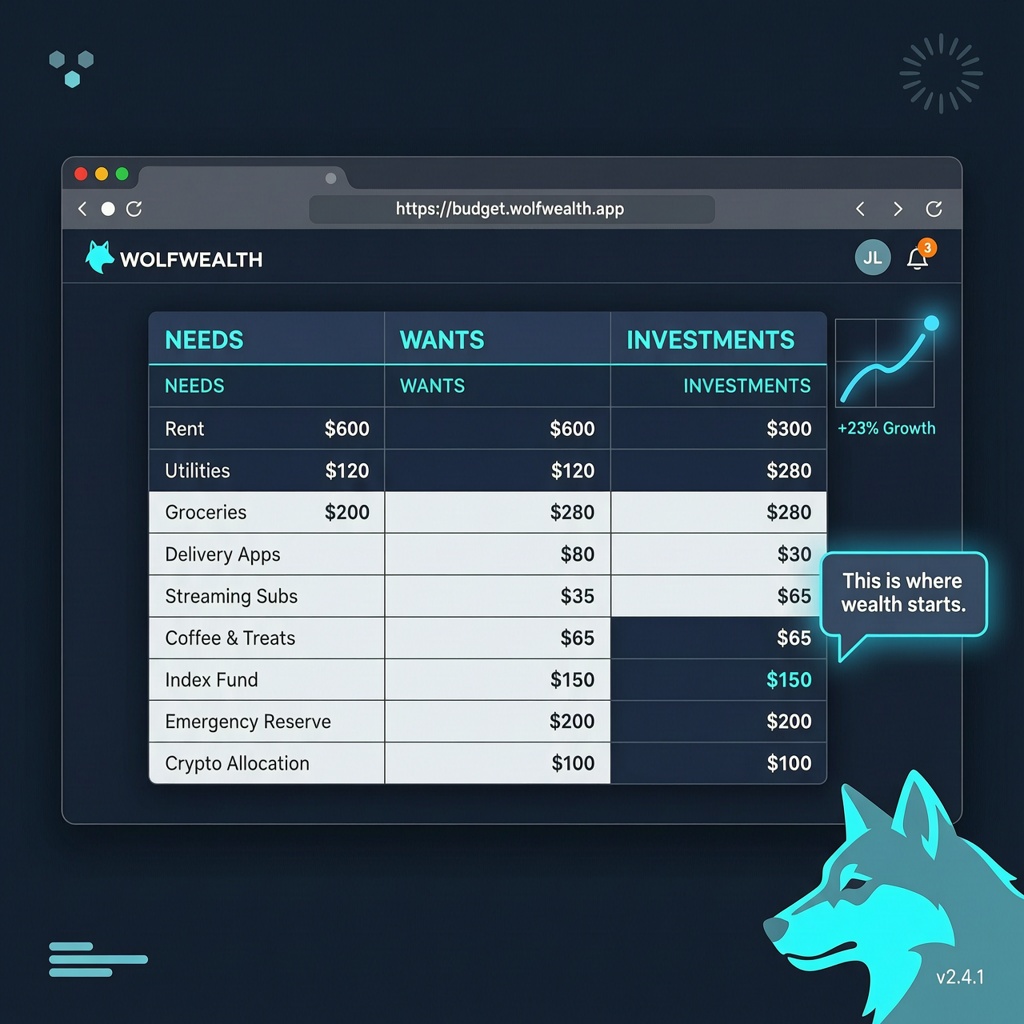
I forced myself to build a simple monthly tracker — income on one side, expenses split into “needs,” “wants,” and “investments” on the other. I used Google Sheets because it’s free and I already had the account. Within two months I could actually see patterns, like how much I was quietly losing to food delivery apps.
Lesson 7: Start Small, But Actually Start
The book’s biggest weakness, in my opinion, is that it stays vague on exact numbers and steps. It sells you the mindset but not the map. So here’s the practical map I wish someone had handed me:
- Step 1: Track every expense for 30 days (an app like a basic budgeting tool or even a notes app works).
- Step 2: List your actual assets vs. liabilities honestly.
- Step 3: Build a small emergency fund before investing anything.
- Step 4: Automate a small, consistent investment, even if it’s a tiny amount monthly.
- Step 5: Keep learning — one article, one video, one concept at a time.
None of these steps require you to quit your job or start a business tomorrow, despite what some online “gurus” quoting this book will tell you.
Mistakes I Made Trying to Apply This Book
I want to be honest about where I went wrong too, because a lot of people misread this book and make costly moves:
- I initially thought “assets” meant I should chase risky side hustles overnight. That led to wasting money on a dropshipping course I never used.
- I underestimated how much an emergency fund matters before chasing “passive income.”
- I ignored my debt for a while because the book barely talks about paying down debt, which was a mistake — high-interest debt should come before most investing.
Common Mistakes People Make With Rich Dad Poor Dad
- Treating it like an actual investing textbook instead of a mindset primer.
- Quitting a stable job too early because the book romanticizes “not working for money.”
- Ignoring debt repayment in favor of chasing assets.
- Copying Kiyosaki’s real estate examples without understanding local market realities.
Also Read My More Blogs
- UGC Creator Side Hustle: 7 Proven Ways I Earn $500+ a Month
- Best Side Hustle Apps 2026: 7 Honest Picks That Actually Paid Me
- Affiliate Marketing: 7 Costly Mistakes I Made (And Fixed)
Frequently Asked Questions About Rich Dad Poor Dad
Is Rich Dad Poor Dad based on a true story?
Kiyosaki says it’s based on real people, though many details about his “rich dad” have never been verified and are widely debated. Read it as a teaching story, not a biography.
Is Rich Dad Poor Dad good for complete beginners in personal finance?
Yes, it’s a solid starting point for mindset, but pair it with a practical budgeting resource since the book is light on step-by-step numbers.
What is the main lesson of Rich Dad Poor Dad?
The core lesson is understanding the difference between assets and liabilities, and consistently working to acquire assets that generate income.
Does Rich Dad Poor Dad tell you exactly how to invest?
No, it stays intentionally general. You’ll need other resources for specific investing strategies suited to your country and risk tolerance.
Is Rich Dad Poor Dad worth reading in 2026?
The core mindset lessons still hold up, even though some specific examples feel dated. It works best as a starting point, not a complete financial plan.
Final Thoughts
Rich Dad Poor Dad didn’t make me rich, and it won’t make you rich either, no matter what the book’s title promises. What it did was shift how I look at every purchase, every paycheck, and every “should I buy this” moment.
If you go in expecting a magic formula, you’ll be disappointed. If you go in expecting a mindset shift and a nudge to actually start tracking, learning, and investing — even in small, boring, consistent ways — it’s worth the few hours it takes to read.
For more information, visit: APKSITE1