
How to sell anything to anybody sounds like one of those overused phrases you’d see on a motivational poster in some sketchy call center. I used to think that too — until I actually had to do it.
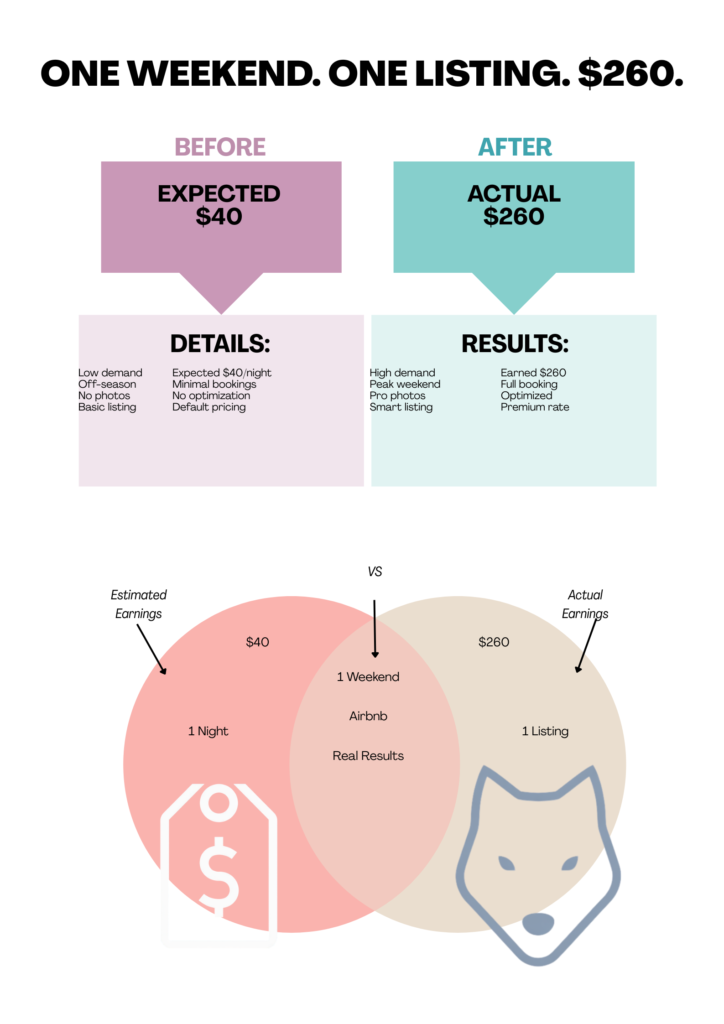
A few years back, I was helping a friend clear out old electronics before he moved apartments. We had a busted printer, a stack of cables nobody wanted, and one weirdly specific vintage lamp. I figured we’d get maybe $40 for the lot on Facebook Marketplace. We walked away with $260 and the lamp sold in eleven minutes.
That weekend accidentally taught me more about selling than any course I’d paid for. So this isn’t theory. This is what actually happened, what I got wrong, and what I’d tell my past self if I could.
Why “How To Sell Anything To Anybody” Isn’t About Being Pushy
Here’s the thing nobody tells you: the pushy salesperson stereotype is basically dead. People can smell desperation from a mile away, especially online where they can just close the tab.
When I first tried selling stuff, I wrote descriptions like I was begging. “Please buy this, great condition, must go ASAP!!” Nobody cared. It read like noise.
What changed things was slowing down and actually thinking about the person on the other end. Not “how do I convince them,” but “what problem does this solve for them.” That one shift changed everything.
Step 1: Know What You’re Actually Selling (It’s Rarely the Object)

This sounds obvious until you try it. Nobody buys a lamp. They buy “a warm reading corner” or “something that makes my new apartment feel less empty.”
When I rewrote the lamp listing to say it had “cozy amber light, great for a reading nook,” instead of just “vintage lamp, works fine,” I got three messages within the hour.
Try this with anything:
- A laptop isn’t specs, it’s “get through client calls without lag.”
- A used bike isn’t gears and frame size, it’s “cheaper commute, no more parking stress.”
- A freelance service isn’t hours worked, it’s “one less thing on your plate this week.”
Figure out the actual outcome the buyer wants. Sell that.
Step 2: Ask Questions Before You Pitch Anything
I used to launch straight into features. Big mistake. Now I ask one or two questions first, even in a five-message Marketplace chat.
“Are you looking for something for daily commuting or weekend rides?” changes the whole conversation. Suddenly I’m not selling a bike, I’m solving their specific situation.
This works in real sales roles too. A friend of mine sells software to small businesses, and he told me the reps who ask the most questions in the first call close way more deals than the ones who jump into a demo. People buy from people who seem to actually get their problem.
Step 3: Use Real Photos, Real Video, and Skip the Stock Stuff
This one’s boring but it matters more than any clever line you’ll ever write.
For that electronics sale, I took photos in daylight near a window, not under our apartment’s yellow kitchen bulb. I filmed a fifteen-second video of the printer actually printing. Sales went from “maybe” to “when can I pick it up.”
If you’re selling online products through something like Shopify or Etsy, the same rule applies. People trust what looks real over what looks polished. A slightly imperfect photo with good lighting beats a stock image every time, because stock images make people wonder what you’re hiding.
Step 4: Handle Objections Instead of Ignoring Them
Every seller gets the awkward question. “Any scratches?” “Does it still work fully?” “Why are you selling it?”
My instinct used to be to dodge these or give a vague answer. That backfired constantly, because buyers just ghosted instead of pushing further.
Now I answer directly, even when the honest answer isn’t perfect. “Yeah, there’s a small scuff on the base, doesn’t affect how it works, that’s why I dropped the price.” That single sentence usually closes the sale instead of losing it.
Being upfront about a flaw actually builds more trust than pretending the item is flawless.
Step 5: Make Saying Yes Easy
This is where a lot of casual sellers lose money without realizing it.
I once had a buyer ready to grab the printer, but I said I could only meet up on weekends. She found someone else who could meet that evening. Lesson learned.
Now, whether it’s a local sale or freelance client work, I try to remove friction wherever I can:
- Fast replies (even a quick “got it, more details tonight” keeps them interested)
- Clear pickup times or simple payment options like PayPal or Venmo
- No extra steps between “I want this” and “I have this”
The easier it is to say yes, the more people say yes.
Step 6: Price It Like a Human, Not a Spreadsheet
I used to price things based purely on what I paid for them. Wrong approach.
Instead, I started checking what similar items were actually selling for on the same platform, not just listed for. There’s a difference between asking price and selling price, and eBay’s “sold listings” filter is honestly one of the most underrated tools for figuring that out.
Price a little above your minimum acceptable number, leave a small gap for negotiation, and you’ll close faster than pricing rock-bottom and hoping.
Step 7: Follow Up Without Being Annoying
Not every sale happens on the first message. Some of my best sales came from a simple follow-up two days later: “Hey, still interested? Happy to drop the price a bit if you want to grab it this week.”
That’s not desperate, that’s just reminding someone who genuinely got busy. A short, friendly nudge works far better than silence or, worse, spamming them.
Real Example: The Freelance Pitch That Actually Landed
I’ll give you one more example outside of physical items. A friend runs a small web design side hustle, and for months his cold pitches went nowhere. He was sending generic emails listing his services.
He switched to sending one specific observation about the business’s actual website first — like a slow-loading homepage or a broken contact form — and then offered to fix that one thing. Response rate jumped noticeably, because it stopped feeling like a pitch and started feeling like help.
That’s really the whole secret. Selling anything to anybody isn’t about magic words. It’s about noticing what someone actually needs and showing up with that.
Common Mistakes People Make When Trying to Sell Anything
- Talking too much, listening too little. The best sellers I know ask more than they explain.
- Overpricing out of attachment. Just because it means something to you doesn’t mean the market agrees.
- Ignoring buyer psychology basics. If you’re curious about why people actually make buying decisions, resources like the Nielsen Norman Group have solid research on decision-making that goes way deeper than typical sales advice.
- Ghosting after the first “no.” A soft no is often just bad timing, not a permanent rejection.
- Skipping the follow-through. Fast replies and easy payment options close more deals than clever pitches ever will.
Final Thoughts
Learning how to sell anything to anybody isn’t some secret personality trait certain people are born with. It’s closer to a skill you build through slightly awkward conversations, a few missed sales, and paying attention to what actually makes someone say yes.
Start small. Sell something you don’t need anymore. Notice what worked and what fell flat. Adjust the next time. That’s genuinely the whole process, and it works whether you’re clearing out a closet or pitching your first client.
For more information, visit: APKSITE1