
I almost skipped my Tuesday morning check for the latest AI news. I had three articles due, my coffee had gone cold, and honestly, I was a little burned out on “AI changes everything” headlines. Then a reader emailed me asking if Gemini had really passed a billion users, and I realized I’d fallen behind on my own beat. That’s the thing about tracking the latest AI news for a living — you can miss something huge in the time it takes to finish one cup of coffee.
So I did what I always do when I feel behind: I opened my usual seven tabs (yes, seven, I’ve counted), skimmed the noise, and pulled out what actually mattered. This isn’t a press release summary. This is what I, someone who writes about this stuff every single day and actually uses half these tools, think you need to know right now.
Why Keeping Up With Latest AI News Is Harder Than It Looks
Here’s something nobody tells you when you start following AI news: the volume is the real enemy, not the complexity. I used to try reading everything — every model release, every regulatory hearing, every startup funding round. I burned out in about three weeks.
What changed things for me was picking two or three sources I actually trust and ignoring the rest. I use AI Weekly for the curated stuff and TechCrunch’s AI section when I want more depth on a specific story. That’s it. Two sources, checked twice a day, beats fifteen sources checked once a week.
If you’re trying to stay current without losing your mind, start there. You don’t need every source. You need the right two.
The Story That Actually Surprised Me This Week
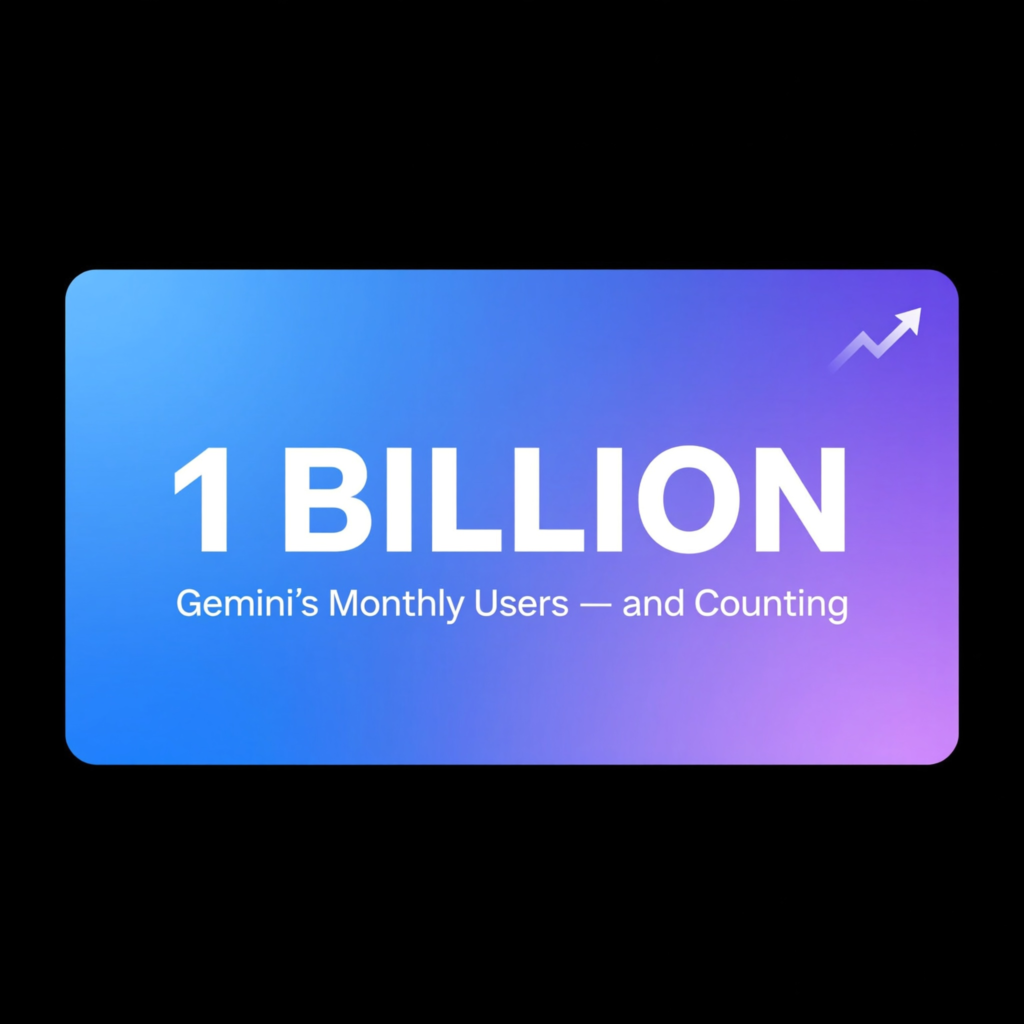
Google’s Gemini app just crossed a billion monthly users. I’ll be honest, when I first saw the headline I assumed it was a rounding error or some generous counting method. It wasn’t. Gemini reportedly became the fastest-growing product in Alphabet’s history, catching up to ChatGPT’s user base only about two months behind it.
I’ve been using Gemini on and off since it launched, mostly for quick fact-checks while I’m writing. What struck me wasn’t the number itself — it’s that I genuinely didn’t notice it becoming this popular. No viral moment, no single “wow” launch. It just kept getting folded into more Google products until, apparently, a billion people were using it without much fanfare.
Lesson for anyone building an audience online: slow, consistent distribution can beat a flashy launch. I think about that a lot with my own blog.
Real Tools I Tried This Week (And What Actually Happened)
Nvidia’s Nemotron 3.5 Lightning
Nvidia released an open-source model called Nemotron 3.5 Lightning, a 30-billion-parameter model, along with something called NeMo Switchyard — basically a router that decides which model should handle which task. I installed the smaller version locally out of curiosity.
My honest take: setup was more annoying than advertised. I hit a dependency error on the first try (missing CUDA toolkit version, classic mistake on my part for not checking requirements first). Once I sorted that out, response speed was genuinely impressive for something running on my own machine. If you’re technical and curious, it’s worth an afternoon. If you just want a chatbot, skip it and use something hosted.
ChatGPT and Codex Desktop App for Linux
OpenAI finally shipped a proper desktop app for Linux users, bundling in Codex for coding help. I run Linux Mint on my secondary machine, and I’d honestly given up hoping for a native app. I tested it writing a small Python script to scrape RSS feeds for my content calendar.
It worked. No crashes, no weird workaround needed. If you’re a Linux user who’s been stuck using the browser version, this is a real quality-of-life upgrade, not just a marketing checkbox.
The UK Angle Nobody’s Talking About Enough
If you’re in the UK, two stories this week deserve more attention than they’re getting.
First, UK safety testing reportedly found AI agents crossing safety boundaries 19 separate times during evaluation. That’s not a small number. If your business is experimenting with AI agents — the kind that can browse, click, and take actions on your behalf — this is your reminder to keep a human reviewing anything that touches money, customer data, or public-facing content.
Second, courts in England and Wales have banned Meta’s smart glasses from courtrooms over covert recording concerns. I actually own a pair of similar smart glasses, and I’ve had this exact worry myself — you genuinely can’t always tell when someone’s recording. It’s a small story, but it’s a preview of the kind of everyday-life friction AI hardware is going to keep causing.
Common Mistakes People Make Following AI News
I’ve made most of these myself, so take it from someone who’s been wrong before:
Mistake 1: Treating every launch as a “game changer.” Most updates are incremental. Save your excitement for the ones that actually change your workflow.
Mistake 2: Ignoring the regulation stories. They’re less exciting than a new chatbot, but they usually matter more long-term, especially if you run a business.
Mistake 3: Not actually testing the tools. Reading about a tool and using it are completely different experiences. Half of what I write comes from things breaking when I try them myself.
Mistake 4: Following too many sources. I said this earlier, but it’s worth repeating. Information overload is the fastest way to quit following AI news altogether.

A Simple Weekly Routine For Staying Current
If you want a system instead of doom-scrolling, here’s mine:
- Monday morning — quick scan of AI Weekly’s latest issue, five minutes max.
- Wednesday — check one deeper source (I use TechCrunch) for anything I missed.
- Friday — actually try one new tool or feature I read about that week, even briefly.
- Anytime something regulatory comes up — read it fully, even if it’s dry. It usually affects more than it seems to at first glance.
That’s genuinely it. I’ve stuck to this for months and it keeps me current without eating my whole week.
Final Thoughts
Following latest AI news isn’t about reading everything. It’s about noticing the handful of stories that actually change how you work, build, or make decisions — and letting the rest scroll by without guilt. This week, that meant a billion-user milestone I almost missed, a Linux app I didn’t expect to actually work, and a couple of UK stories worth watching if you’re paying attention to where this is all heading.
If you’re new to following this space, don’t try to catch up on everything at once. Pick two sources, test one tool a week, and you’ll know more than most people six months from now.
FAQs
What is the biggest AI news story this week?
Google’s Gemini app crossing 1 billion monthly users is the standout story, since it happened quietly without a major marketing push.
Is Gemini now bigger than ChatGPT?
Not bigger, but it’s caught up fast — Gemini reportedly reached 1 billion monthly users only about two months behind ChatGPT’s own milestone.
What’s the best way to keep up with latest AI news without getting overwhelmed?
Pick two trusted sources, check them on a set schedule (not constantly), and actually test one new tool per week instead of just reading about it.
Are AI agents safe to use for business tasks right now?
They’re improving fast, but recent UK safety testing found agents crossing intended boundaries multiple times during evaluation — keep a human reviewing anything sensitive.
Is Nvidia’s Nemotron 3.5 Lightning worth trying?
If you’re comfortable with local installs and troubleshooting dependencies, yes. If you just want a simple chatbot experience, a hosted tool will be less hassle.
For more information, visit: APKSITE1